Dr. Victoria Fox
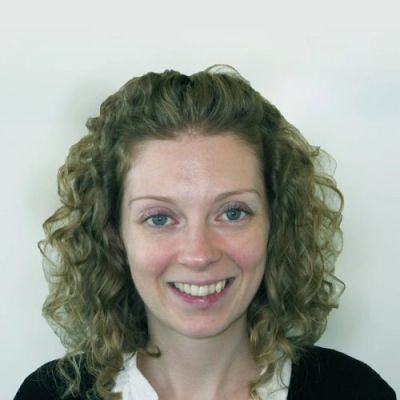
Dr. Victoria Fox
Dr. Victoria Fox is a molecular stem cell biologist, educator, and biotech entrepreneur dedicated to advancing stem cell research and science education. She is the co-founder of the LA Biotech Center, where she provides hands-on laboratory training for students. Before founding the LA Biotech Center, Dr. Fox previously served as an Assistant Professor of Research at the University of Southern California (USC), directing the Stem Cell Core Facility. Through her work in research, education, and biotechnology, Dr. Fox continues to inspire and prepare the next generation of scientists. Dr. Fox has been my mentor for stem cell research over four summers.
Q: What inspired you to pursue a career in science?
"It wasn't one specific moment or event that inspired me—I simply always knew I wanted to be a scientist. As far back as I can remember, I was naturally curious about how the world works. I think many scientists are born with that curiosity. Just as some people are naturally drawn to art or music, I was drawn to science. I loved asking questions, learning new things, and working with my hands, and that naturally led me to a career in scientific research."
Q: What educational path led you to your current position?
"I grew up in the UK and attended the equivalent of high school, where I specialized in science and languages. I then earned my undergraduate degree in Molecular Biology from the University of Sheffield, followed by a PhD in Stem Cell Biology at the same university. After completing my doctorate, I moved to the United States for postdoctoral research, which eventually led me to my current career in stem cell research, education, and biotechnology."
Q: What do you enjoy most about working in a research laboratory?
"I enjoy being hands-on and actively working in the laboratory. I love the process of designing experiments, solving problems, and steadily moving a project forward. Of course, it's exciting when experiments work, but research doesn't always go as planned. I've learned to be resilient and view setbacks as part of the scientific process rather than something discouraging."
Q: What do you enjoy doing outside of the laboratory?
"I don't have a great deal of free time, but when I do, I enjoy spending time with my son, baking, and taking my dogs for walks."
Q: Advice for middle & high school students interested in science or medical research
"Read as much as you can and never stop learning. Building a strong foundation of scientific knowledge is essential, but it's also equally important to gain hands-on experience through laboratory work or other practical opportunities whenever possible.
A career in science isn't always easy. It requires determination, resilience, and perseverance because experiments don't always work and setbacks are a normal part of research. You need to be willing to keep going, adapt when plans change, and learn from failure rather than be discouraged by it. Science also requires patience and attention to detail. Many research projects take years before results become clear, so it's important to be comfortable with uncertainty and stay focused on long-term goals."